When Oliver Glasner arrived at Nottingham Forest following his departure from Crystal Palace, he brought with him a tactical blueprint that had served him well at Selhurst Park: the 3-4-2-1 formation. Central to that system are two midfielders who orchestrate play from deep, a role Glasner describes in distinctive terms.
We call them the quarterbacks, the Austrian manager explained during his time at Palace. At Selhurst Park, he had found the ideal quarterback in Adam Wharton—a midfielder capable of combining defensive solidity with creative influence in the final third.
The challenge facing Glasner at the City Ground was twofold: he needed to locate a Forest equivalent of Wharton while simultaneously replacing Elliot Anderson, the midfield heartbeat who departed for Manchester City. Few observers anticipated that both problems would be solved by the same player.
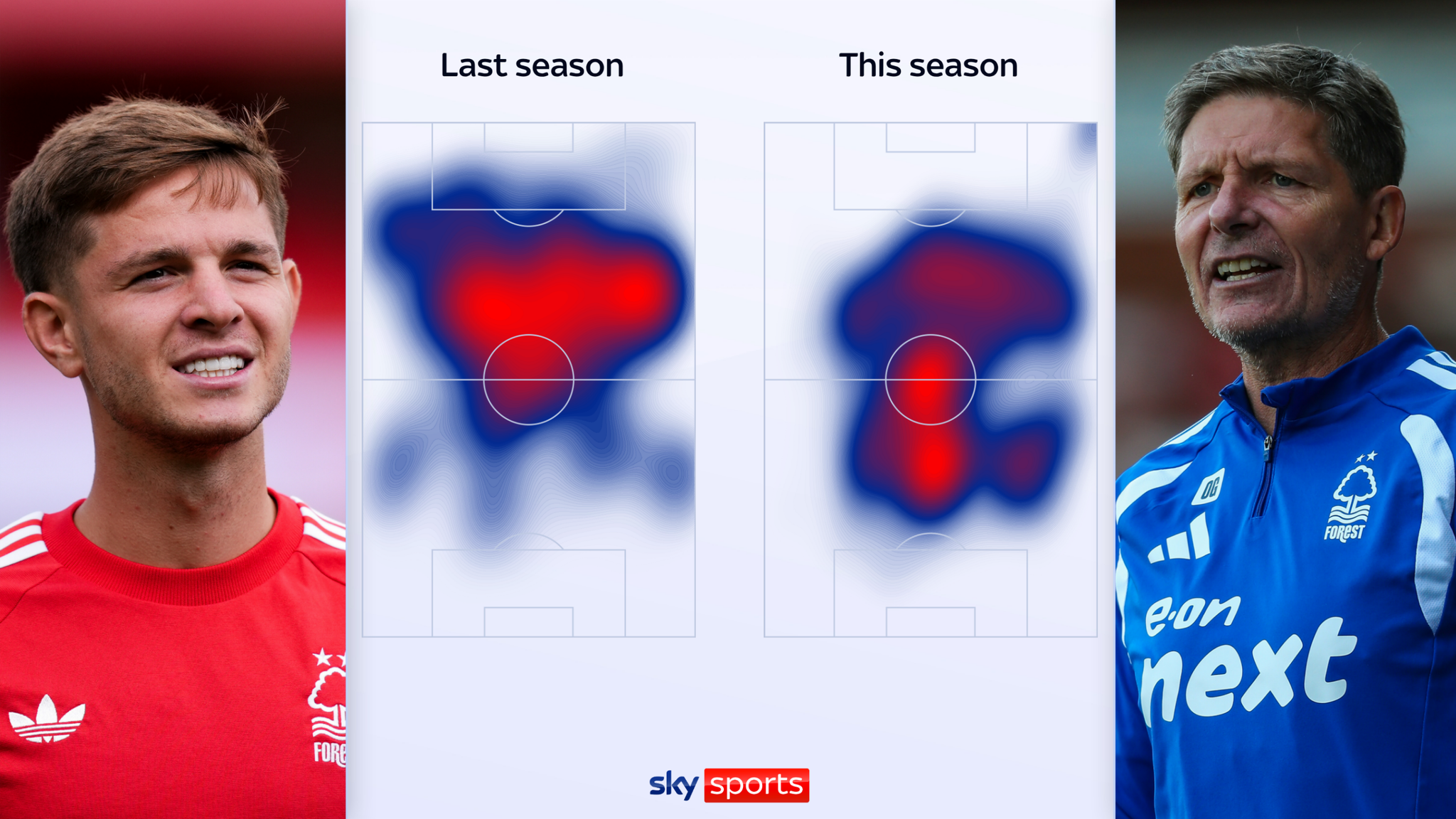
Just months earlier, James McAtee appeared destined to become a cautionary tale at Forest. The £30m signing from Manchester City had started merely two Premier League matches in his first season, overlooked by four successive managers who failed to unlock his potential. His trajectory seemed to be heading towards the exit door.
Glasner, however, has engineered a remarkable resurrection—though it has required a fundamental repositioning. McAtee, who progressed through Manchester City's academy and represented England as an attacking number 10, has been relocated significantly deeper into the midfield structure. It represents a seismic shift from everything he has previously known.
Yet this tactical recalibration aligns with observations made by one of football's most discerning minds. Even Pep Guardiola recognised McAtee's exceptional ability to operate in congested areas of the pitch.
Pep always references how good he is in pockets, Brian Barry-Murphy, one of McAtee's coaches during his time in Manchester City's academy system and now manager at Cardiff City, told Sky Sports in 2024.
What's the most significant thing about James McAtee? The tighter the spaces, the more at home and comfortable he is. He's a very specific player in that role.
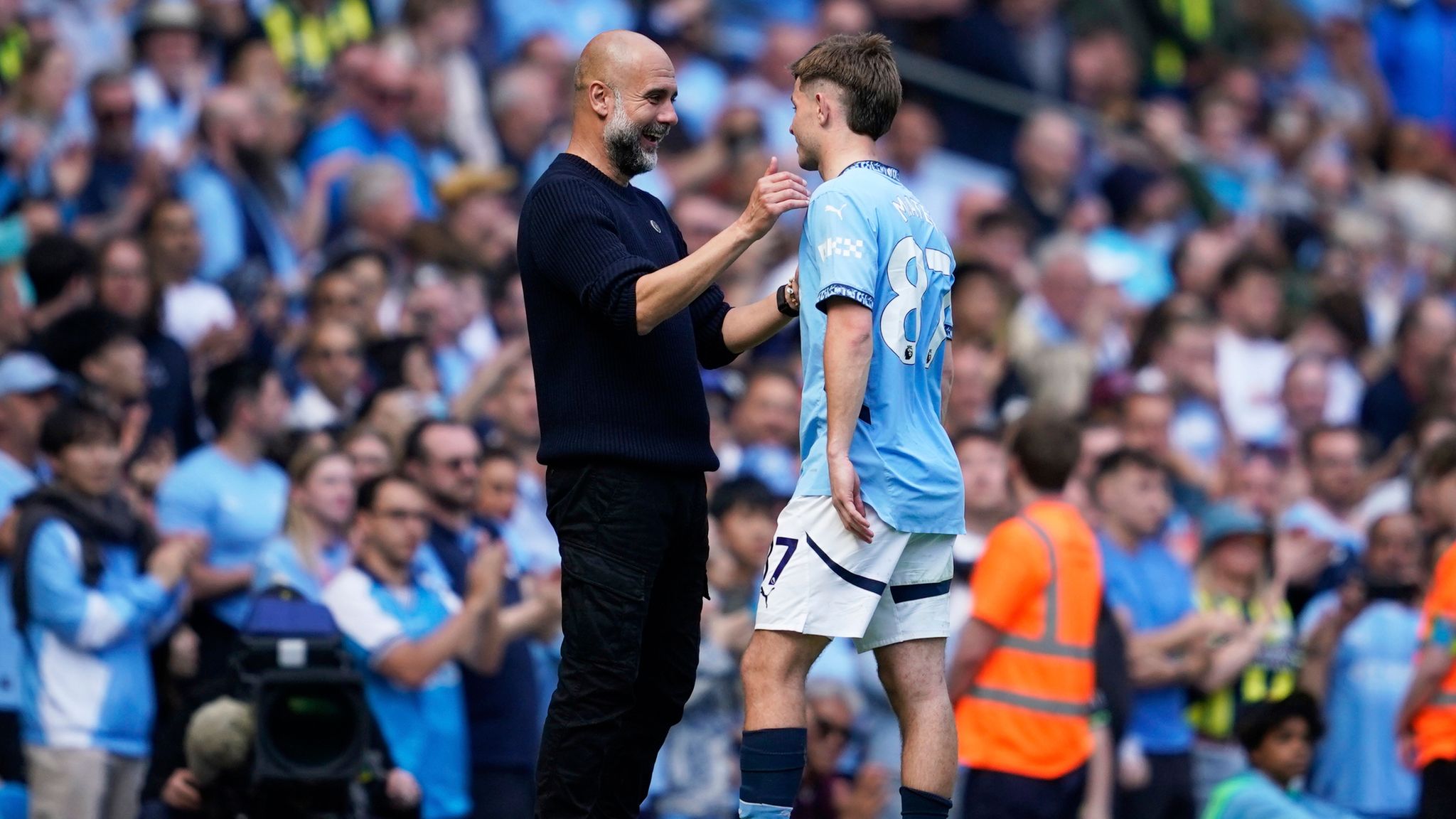
As a diminutive, left-footed operator thriving in confined spaces, McAtee has become an accomplished understudy to Wharton within Glasner's system. A cornerstone of Wharton's effectiveness lies in his ability to execute incisive passes that dissect defensive lines. In the opening weeks of the 2026-27 campaign, McAtee has demonstrated precisely this capability, with results that have impressed observers.
Across the first five Premier League fixtures, McAtee has established himself among the division's most prolific creators. Only five players have generated more chances than the 23-year-old this term, whilst merely three have surpassed his creativity from open play situations.
When measuring passes that lead to a shot—the metric that captures balls eventually resulting in an attempt on goal within two or three passes—McAtee occupies second place in the Premier League standings, level with Bruno Fernandes, who finished last season as the top-flight's most creative midfielder. McAtee started Forest's opening five league matches, accumulating 418 minutes of action, though he remains without a goal or assist and has received two yellow cards by early October.
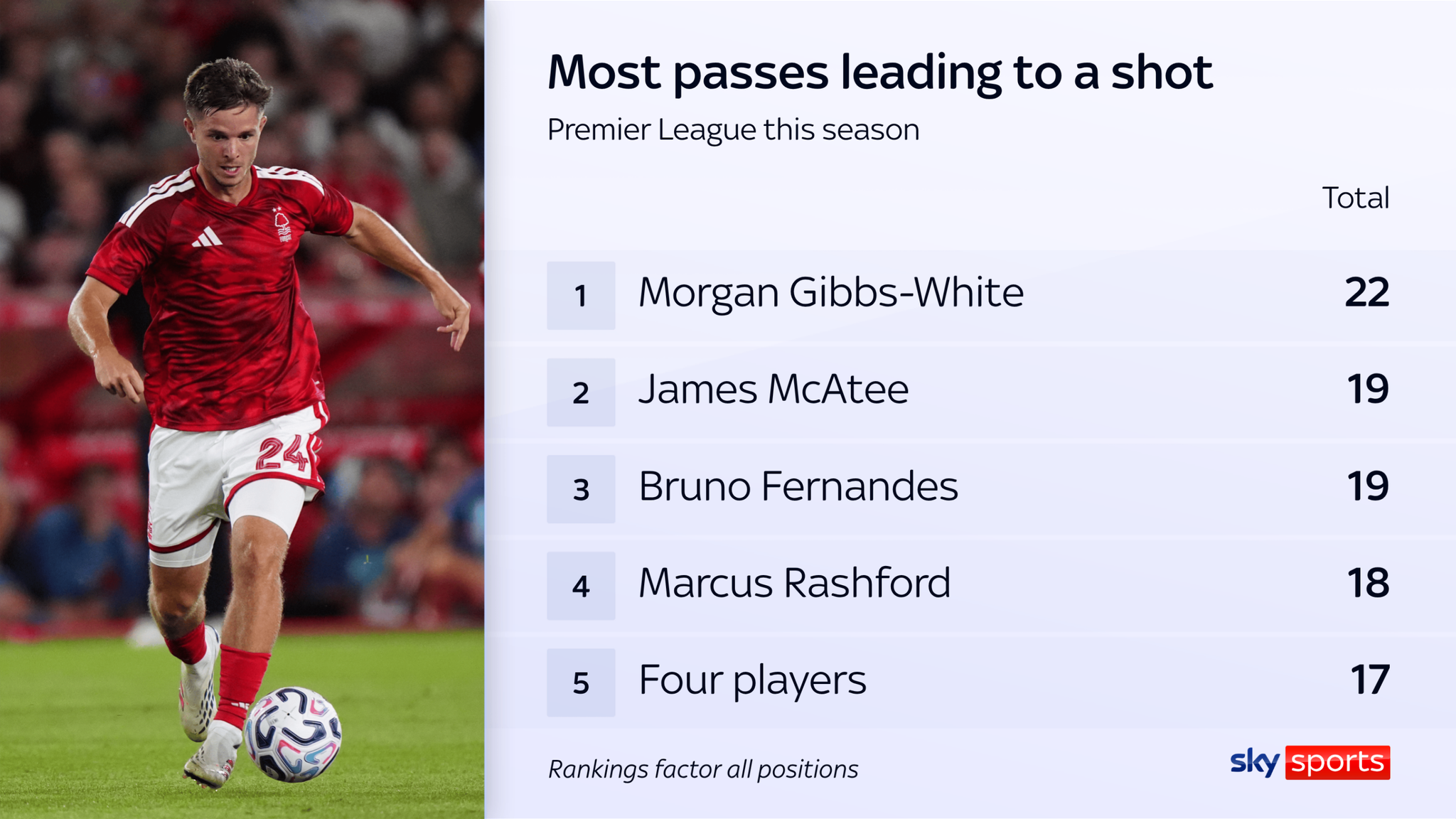
Only his Forest teammate Morgan Gibbs-White has registered more passes leading to a shot than McAtee this season. Whilst Gibbs-White functions as Forest's principal attacking focal point, an argument exists that McAtee occupies the more architecturally vital position within the team's structure.
He inhabits the Wharton role. He is the quarterback.
They are responsible for the speed of our attacks, if we go forward or keep possession, Glasner explained previously regarding the quarterback position. McAtee has become the midfielder controlling the tempo and direction of play, with those punchy through-ball passes proving essential to Glasner's direct methodology.
Forest's approach mirrors the philosophy Glasner established at Palace—vertical and efficient rather than patient and possession-oriented. The statistics illustrate this approach starkly: merely four of Forest's attacks this season have been classified as 'build-up attacks'. When possession is regained, the instruction is straightforward—advance the ball forward with urgency. The club boasts the fourth-best forward passing percentage this season whilst ranking third for through balls completed.
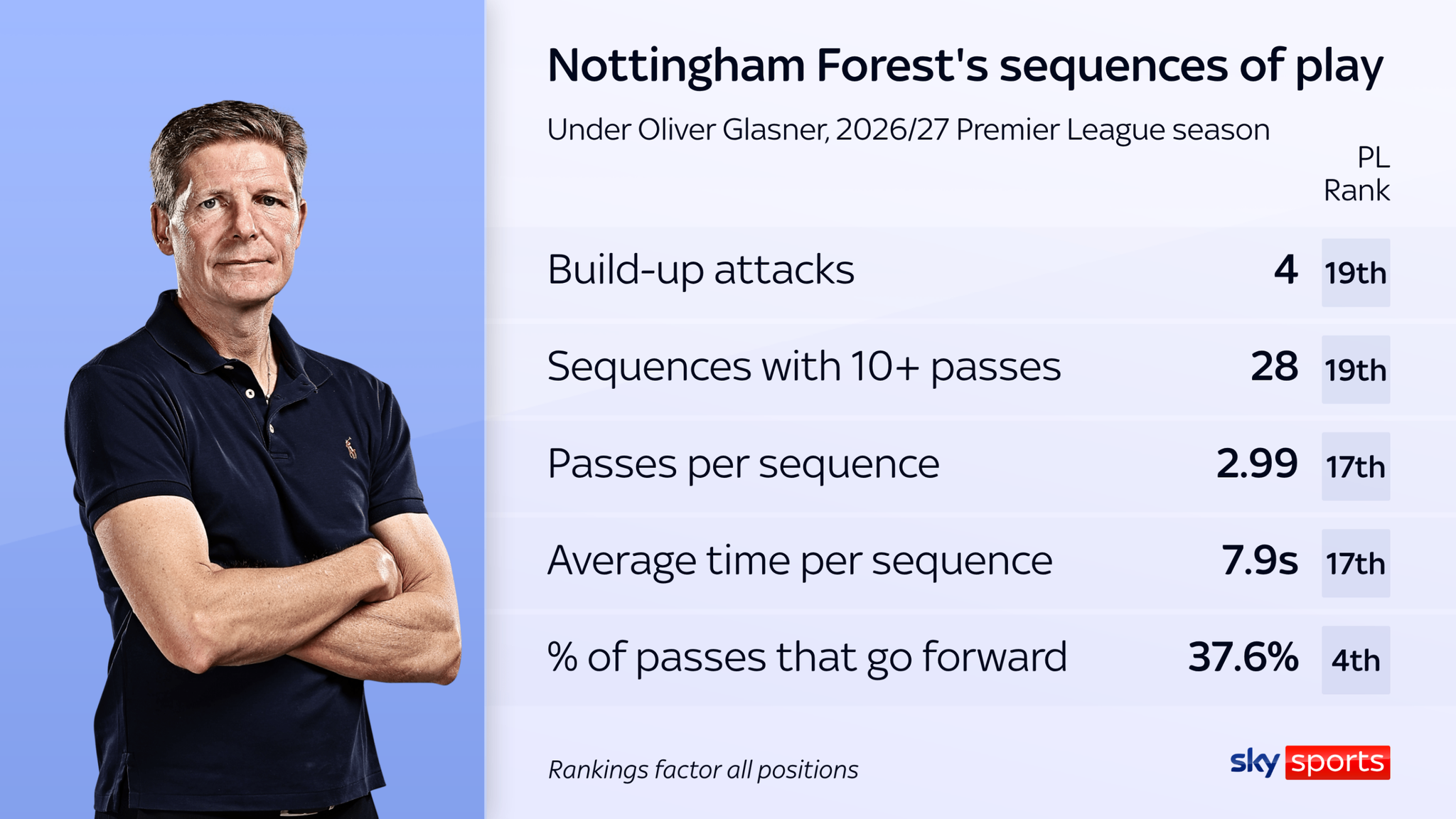
McAtee functions as the orchestrator of this direct style. Wharton performs an identical function for Palace. That capacity to generate chances rapidly and propel the ball forward explains why the Eagles midfielder commands such elevated regard across the sport.
Glasner's appointment at Forest represented a mission to restore stability after managerial chaos, with the Austrian tasked with blending tactical discipline with the club's attacking resources. Forest's most recent result saw them defeated 1-0 by Coventry on September 19, a setback that underscores the competitive challenge ahead.
When Glasner returns to Selhurst Park in his new capacity, the narrative extends far beyond a manager's homecoming. This transcends the storyline of Glasner presenting himself at Crystal Palace as representative of the club that displaced them in last season's Europa League qualification race.
This represents Glasner's new project confronting his previous one. In the midfield duel between Wharton and McAtee lies a specific contest of old versus new, a tangible representation of how Glasner has evolved his thinking and adapted his methods.
A Forest player-rating report awarded McAtee a score of 9, describing him as the standout performer among the team's central midfielders. Meanwhile, reports suggest that new signing Douglas Luiz is showing promise alongside McAtee in the midfield partnership, indicating that Glasner's reshaping of Forest's engine room continues to develop.
What happens next
Forest are scheduled to visit Crystal Palace in the Premier League on October 11, 2026, when this intriguing subplot will play out on the pitch at Selhurst Park. The fixture promises more than nostalgia or narrative symmetry—it offers a genuine tactical examination of how Glasner's methods have evolved and whether his gamble on repositioning McAtee has genuinely solved the problems that plagued Forest's midfield.