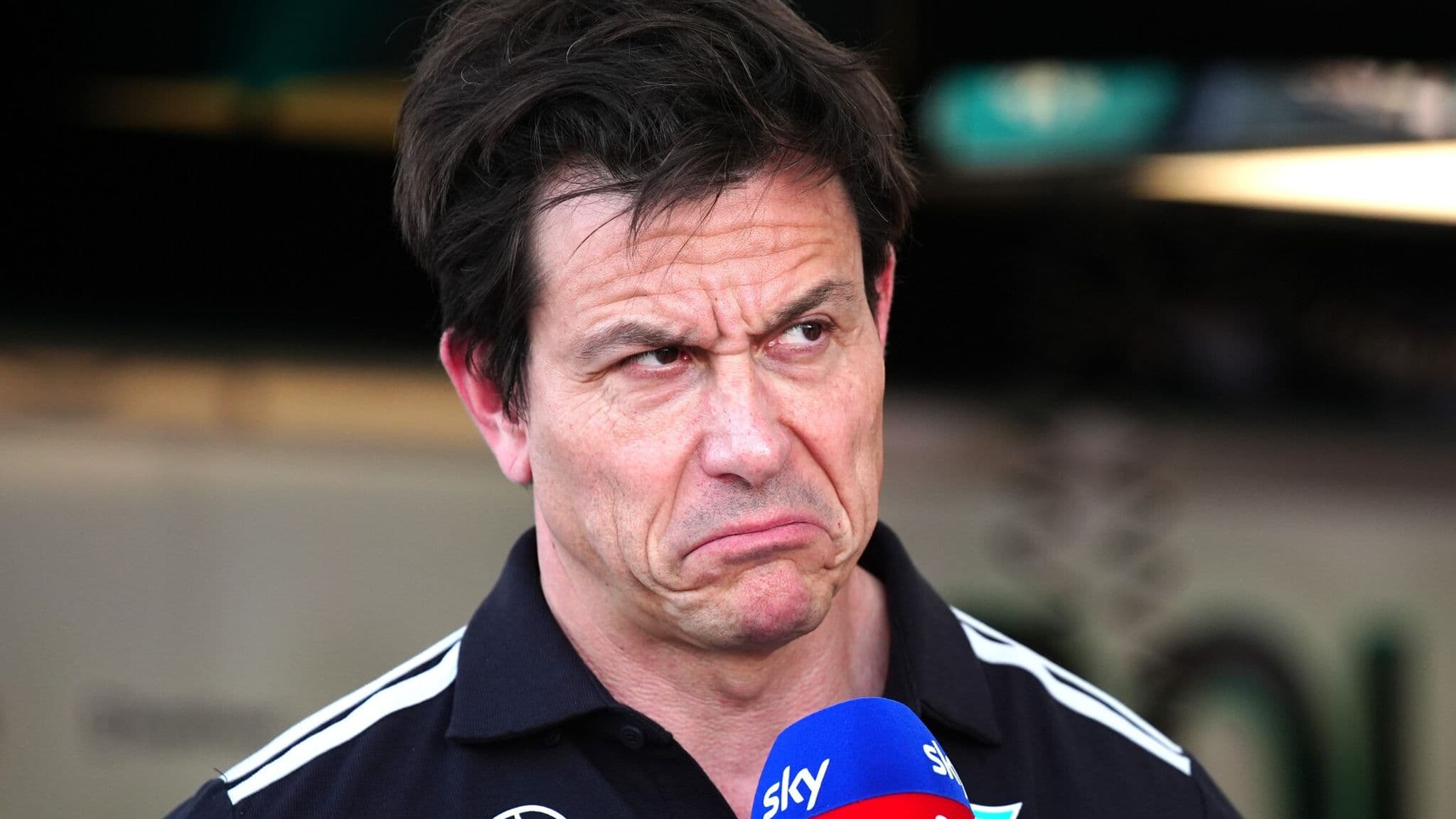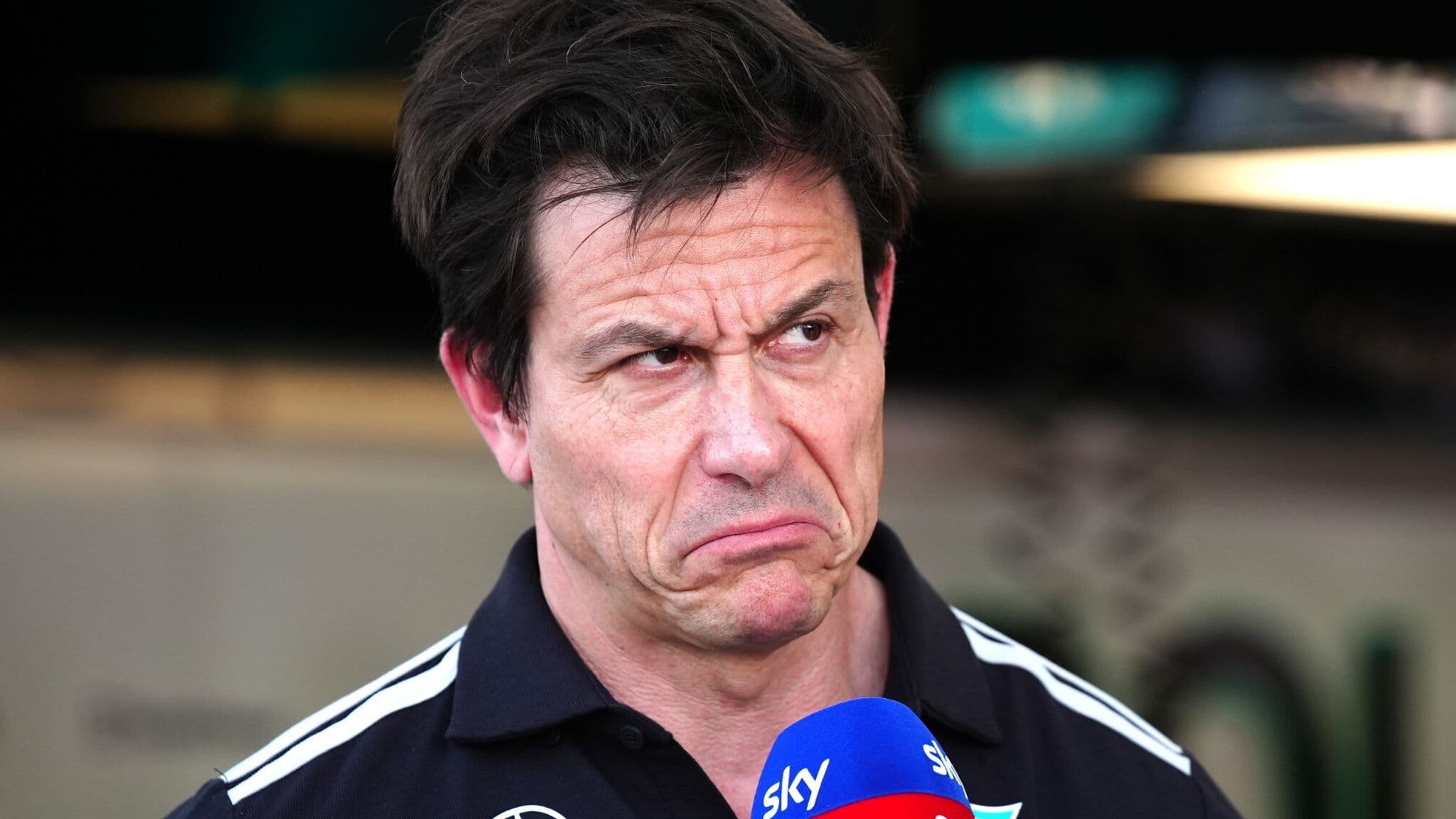
Mercedes may struggle to hold their championship advantage after committing disproportionate resources to the opening races of 2026, according to Sky Sports F1 strategist Bernie Collins.
The Silver Arrows enjoyed a commanding start under the new technical regulations, with Kimi Antonelli claiming five consecutive victories to build a commanding lead in the Drivers' Championship after George Russell's triumph in the season-opener.
That momentum has stalled dramatically. Mercedes have secured only two wins from the six races that followed, allowing Ferrari and McLaren to each claim two victories during the same stretch. The pattern became impossible to ignore when Lando Norris delivered convincing performances for McLaren at both Hungary and the Netherlands either side of the summer shutdown, signalling a decisive shift in competitive balance.
The situation grew more acute when team principal Toto Wolff acknowledged after the Dutch Grand Prix that his outfit
haven't got the moneyto match the upgrade pace of their rivals. According to Motorsport.com, Wolff framed the team's development strategy as a season-long budget allocation problem rather than a temporary constraint.
Collins, who previously served as head of strategy at Force India, examined the implications on Sky Sports' The F1 Show podcast.
Mercedes have front-loaded it and that shows a confidence in their power unit and their overall chassis design,he explained.
We had it for so many years at Force India, having a good reliable car for early-season races before people got on top of their reliability is where we scored all our points.
For many years we got our strong position in the championship just in the first six races by finishing the race in a reasonable position. So, the front-loading it bit, I get.
The strategy carries inherent trade-offs. Securing points when competitors are still establishing baseline performance offers genuine advantages. However, that same approach sacrifices months of comparative data gathering and development learning that rivals accumulate through their own upgrade cycles.
Mercedes' development roadmap underscores this gamble. The team introduced only one major upgrade package before the summer break, arriving at Canada in late May. Their next significant package is not expected until the rescheduled Bahrain Grand Prix in Malaysia from October 2-4, leaving a five-month gap during which Ferrari and McLaren have regularly introduced substantial improvements.
The 2026 cost cap was raised to $215 million to accommodate the major regulation change, and Wolff indicated Mercedes had deliberately split spending through the season to target the biggest points opportunities. Mercedes' deputy technical director Simone Resta had signalled in July that the team was targeting
something more sizeableafter the summer break, but the timing leaves little room for error.
Current championship standings reveal how precarious Mercedes' position has become. Antonelli holds a 59-point lead over Russell, with Ferrari's Lewis Hamilton a further point back. Norris, despite his recent resurgence, sits fourth, 83 points adrift. In the Constructors' Championship, Mercedes maintain an 87-point advantage over Ferrari, though McLaren trail by 162 points.
Collins acknowledged the opacity surrounding teams' financial claims.
Where the money lies, who knows? What the team bosses say to us is often not [the truth]. Maybe Wolff is counting the Mercedes upgrade that is coming to Malaysia [within his calculations].
Mercedes have sort of put their money on the front end. There are pros and cons to that.
Getting the points on the board early when other people are struggling is the pro, but conversely, then you're not gathering the data and learning about the development for the next six months when other people are.
They've put their decision-making one way, and it will be interesting to see if they can hold on.
Mercedes has described its development battle with rivals as
enormous, reflecting how aggressively the 2026 upgrade race has intensified. The W17 was built around the new 2026 chassis rules, including a shorter wheelbase, narrower width, and lower minimum weight, giving the team confidence in its fundamental platform.
Calendar chaos compounds the challenge
Collins highlighted a secondary complication: the ongoing instability of the race calendar has forced teams to make upgrade decisions without certainty about future venues.
The Bahrain Grand Prix is being held in Malaysia after postponement in April due to Middle East conflict. The Saudi Arabian Grand Prix, originally scheduled for April, was cancelled entirely. Uncertainty persists over whether Qatar (November 27-29) and Abu Dhabi (December 4-6) will host the final two rounds, with European circuits on standby as potential replacements.
An additional difficulty for the teams has been created by the calendar continuing to change with the ongoing situation in the Middle East,Collins said.
It's hard for teams to decide whether to put more emphasis on high-speed or low-speed corners, for example, because you don't know what the make-up of tracks going forward is.
That's quite interesting, where they prioritise their upgrades in terms of overall car performance.
This uncertainty has forced teams to design upgrades with greater versatility, complicating the engineering process and potentially diluting the effectiveness of any single package.
What comes next
Mercedes face a critical near-term test at Monza on September 4-6, where Ferrari's home advantage will intensify pressure. The Italian Grand Prix will serve as a checkpoint before any larger Mercedes update arrives.
The team's broader goal is to preserve the early advantage it built by using a controlled, lower-risk update plan. Whether that strategy survives contact with McLaren and Ferrari's more aggressive development approach will determine whether Antonelli's 59-point lead proves decisive or merely a temporary cushion.