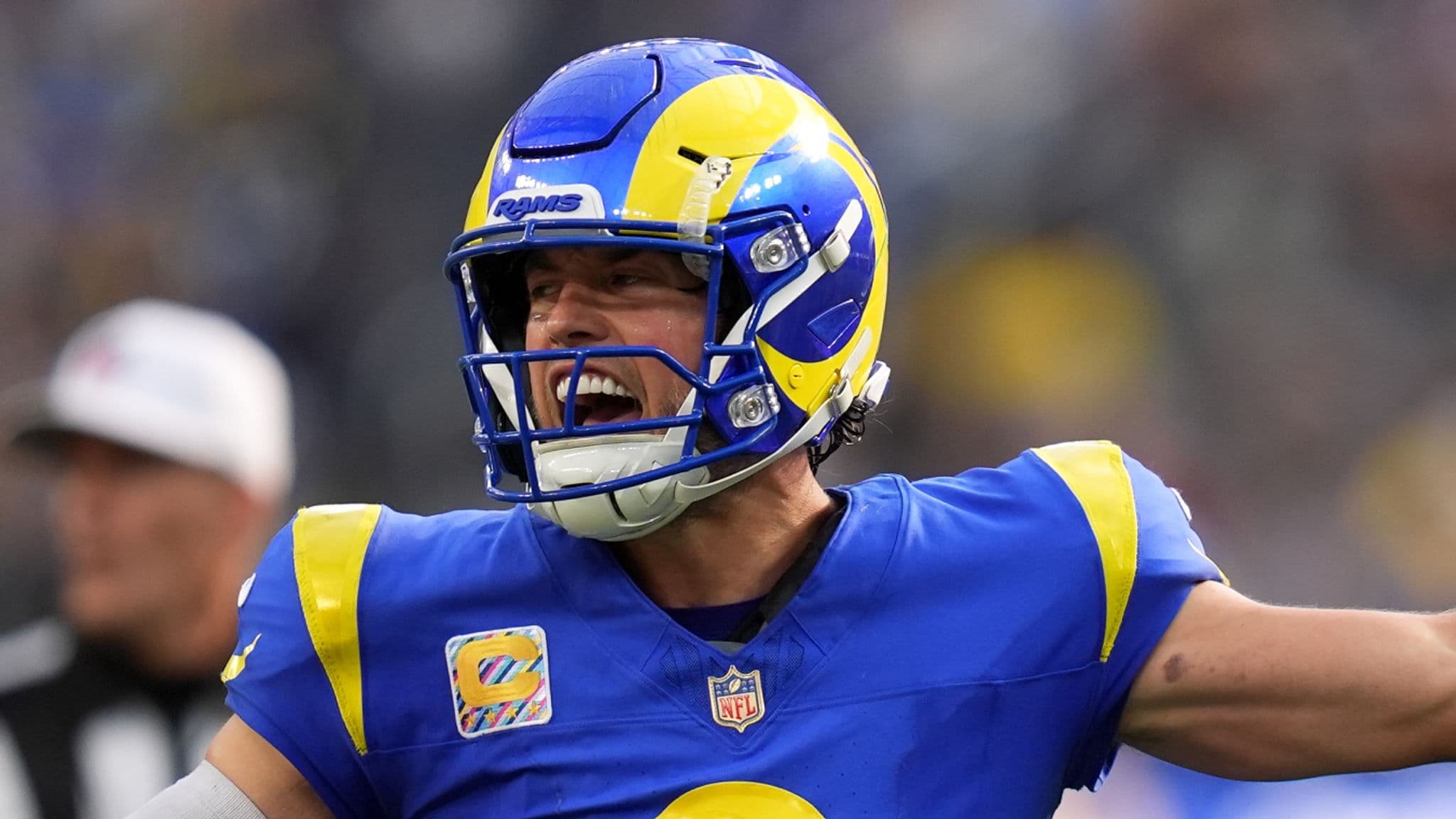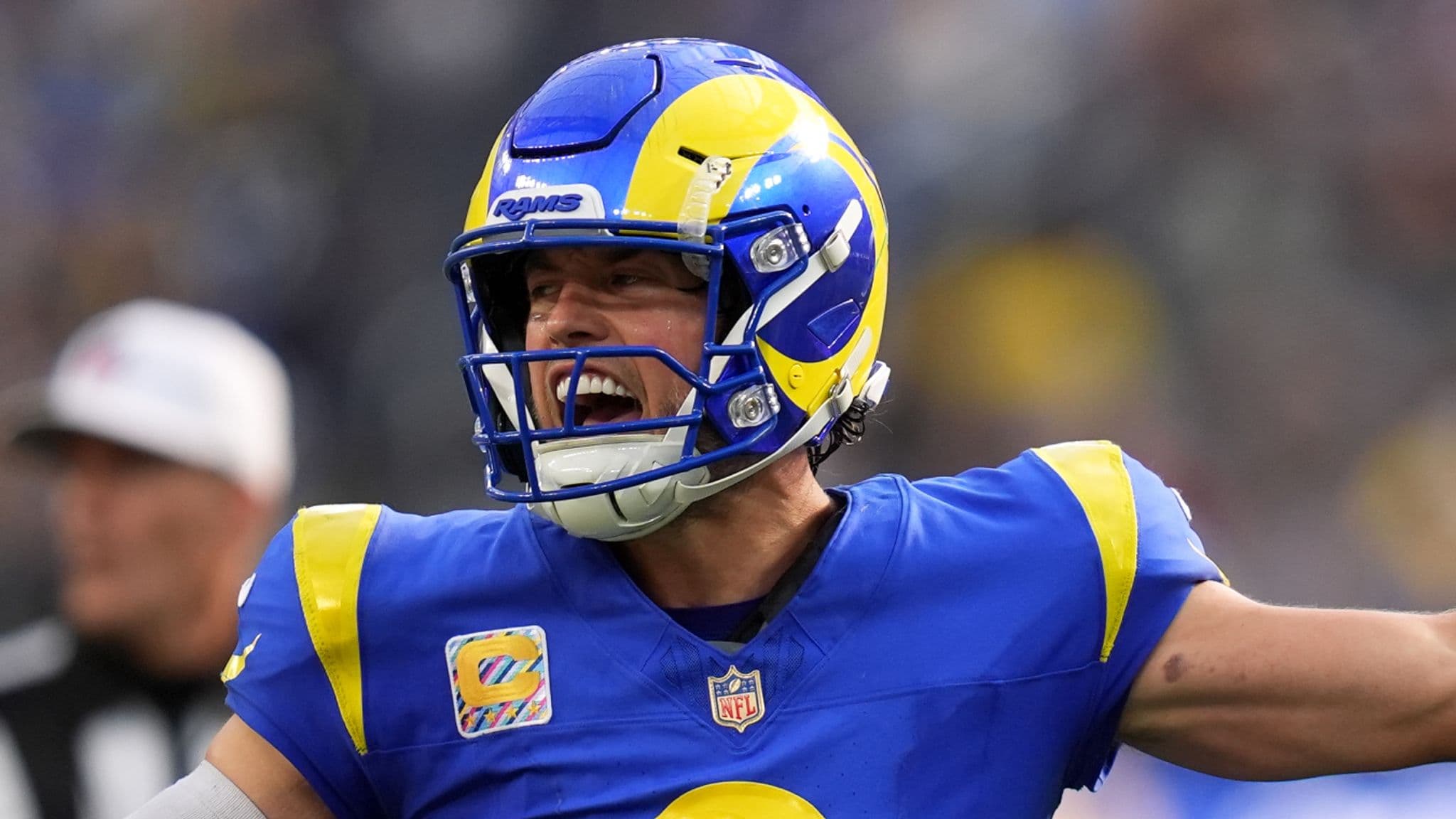
The Los Angeles Rams entered the 2026 season as the NFL's marquee roster, assembled with championship ambitions and billed as Super Bowl frontrunners. Six weeks in, that narrative has crumbled spectacularly.
According to Sky Sports, the Rams suffered a shock 18-16 defeat to the Arizona Cardinals on Sunday, a loss that exposed deepening fractures within Sean McVay's star-studded outfit. The setback leaves them 2-4 at the bottom of the NFC West, with McVay insisting fundamental issues must be resolved before meaningful progress can resume.
The Cardinals secured victory through Chad Ryland's field goal as time expired, outgaining Los Angeles 338–286 and controlling the ball for 34:52, according to ESPN. Matthew Stafford's go-ahead, 6-yard touchdown pass to Colby Parkinson had put the Rams ahead 16–15 with 47 seconds remaining, yet the Cardinals' time management and field position ultimately proved decisive.
The Rams' offseason spending spree was designed to vault them into contention immediately. They acquired Myles Garrett from Cleveland on June 1, sending Jared Verse, a 2027 first-round pick and a 2028 second-round pick in the deal, bringing in the reigning Defensive Player of the Year. Yet Garrett has remained sidelined since Week One due to injury, limiting the impact of that blockbuster acquisition.
Equally significant was the decision to lure Aaron Donald out of retirement. The three-time Defensive Player of the Year and eight-time first-team All-Pro had stepped away from the game in March 2024 after a decade-long career, but the Rams convinced him to return on a one-year deal worth $20 million, with incentives that could raise it to $30 million. These additions were meant to complement MVP quarterback Matthew Stafford, who guided the Rams to the NFC Championship Game last season before they fell narrowly to the eventual champion Seattle Seahawks.
Yet talent alone has proven insufficient. Special teams have become a debilitating liability, forcing the Rams to cut kicker Harrison Mevis after a poor start to the year and replace him with former New Orleans Saints kicker Blake Grupe. That move backfired almost immediately when Grupe suffered an injury on Sunday while attempting to tackle Devin Duvernay on a kickoff return.
The Rams rank last in special teams EPA through six weeks, and the injury to Grupe forced them to attempt a two-point conversion after their first touchdown—a play they failed to execute. Punter Ethan Evans was later pressed into duty as the kicker, with backup quarterback Stetson Bennett serving as the holder, a scenario that underscores the depth of their special teams crisis.
Analysis from the broadcast booth
Sky Sports NFL analysts Neil Reynolds and Jeff Reinebold dissected the collapse on the latest episode of Inside the Huddle, offering insight into how a roster constructed to dominate has instead become a cautionary tale about roster construction in the modern NFL.
Cast your mind back to the summer. It was a dream team. There's no such thing as a dream team in the NFL. I know we've had them over the years and they've never panned out. It was a dream team. They were the strongest of Super Bowl favourites. The Rams didn't just lose this game. They looked really out of sorts, like there was a hangover from the one they might have had against Buffalo on Monday night.
Reynolds highlighted the broader pattern of expensive rosters failing to deliver, pointing to the Rams' disjointed performance as symptomatic of deeper issues beyond individual talent.
Reinebold zeroed in on the special teams catastrophe and its cascading consequences.
The fact you fire your kicker after the Buffalo game, bring in a new guy, and then he gets hurt because you can't cover a kickoff, right? He's trying to make a tackle on a kickoff, he gets hurt, and now your punter is your kicker. They're still very good. And Matthew Stafford throws two touchdowns and no picks and all that, but everything that can go wrong is going wrong. Now you can say that the Rams are way better, their roster's way better than the Cardinals, and that's an argument you can make, but these are pro athletes. These are the best there are in the world. And if you give them a chance and you let them hang around, they're good enough to beat you. And that's what happened to the Rams.
Stafford's individual performance—two touchdown passes without an interception—offered little consolation given the broader dysfunction surrounding him. The quarterback's talent remains evident, yet he cannot overcome the systemic failures plaguing his team.
McVay's mounting pressure
McVay has shouldered blame for the team's struggles, acknowledging he needs to do a much better job and insisting there were no positives to extract from Sunday's defeat. His own conduct has drawn scrutiny, however, after he flew to Melbourne, Australia just a day before the Rams' earlier defeat to the San Francisco 49ers, a decision he later regretted publicly.
The head coach also left a press conference early following the Week Five loss to the Buffalo Bills and expressed visible anger at that outcome, suggesting a coach under considerable stress as his carefully constructed roster crumbles around him.
Sean McVay's been quite regretful in recent games that he hasn't been aggressive enough or his play calling hasn't been on point. Every bounce seems to be going against them at the moment, but they just look out of sync. Sean McVay is intense. He is a hundred miles an hour. He openly admitted, he told me this the summer after losing to the Patriots in the Super Bowl that he overprepared because it was Bill Belichick. He ran his team too much mentally going into that game, put too much on their plates. He's got to balance that, hasn't he now? To not hit the panic button and to just try and methodically work your way out of this.
Reynolds' assessment suggests McVay faces a delicate balancing act: maintaining his trademark intensity while avoiding the mental overload that can paralyse a roster. The coach's tendency toward meticulous preparation, which served him well in previous seasons, may now be working against a team struggling to find rhythm and cohesion.
What lies ahead
The Rams are scheduled to visit the Las Vegas Raiders on Sunday, October 25, at 4:25 p.m. local time, offering an immediate opportunity to arrest their slide. They will then face Justin Herbert's Los Angeles Chargers, a division rival also battling through a difficult campaign.
Whether the Rams can salvage their season depends on their ability to address the fundamental issues McVay has identified. Talent, it appears, is no longer in question. Execution, cohesion, and the ability to avoid self-inflicted wounds remain the pressing concerns as the defending champion Seahawks and other contenders pull further ahead in the playoff race.