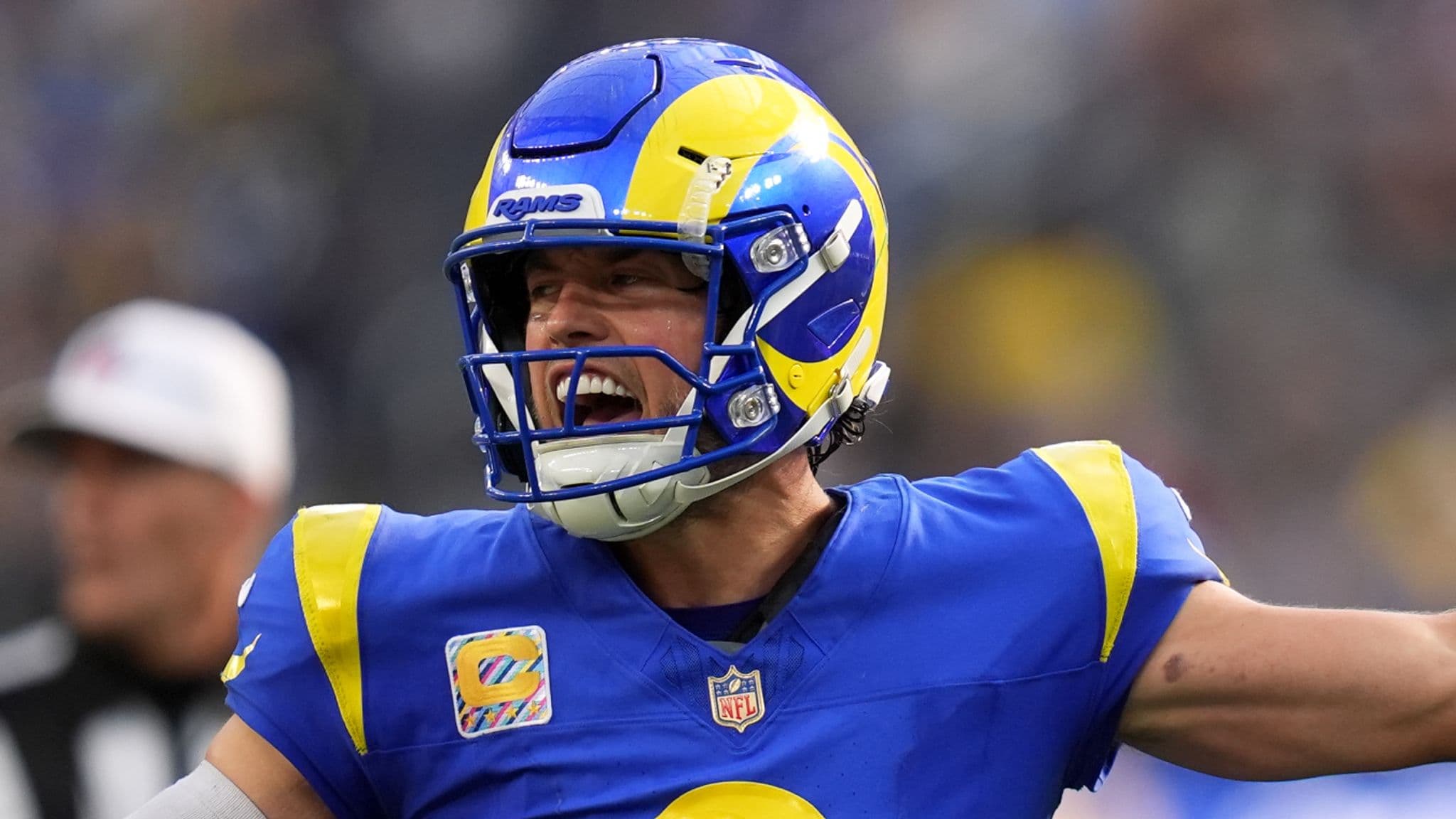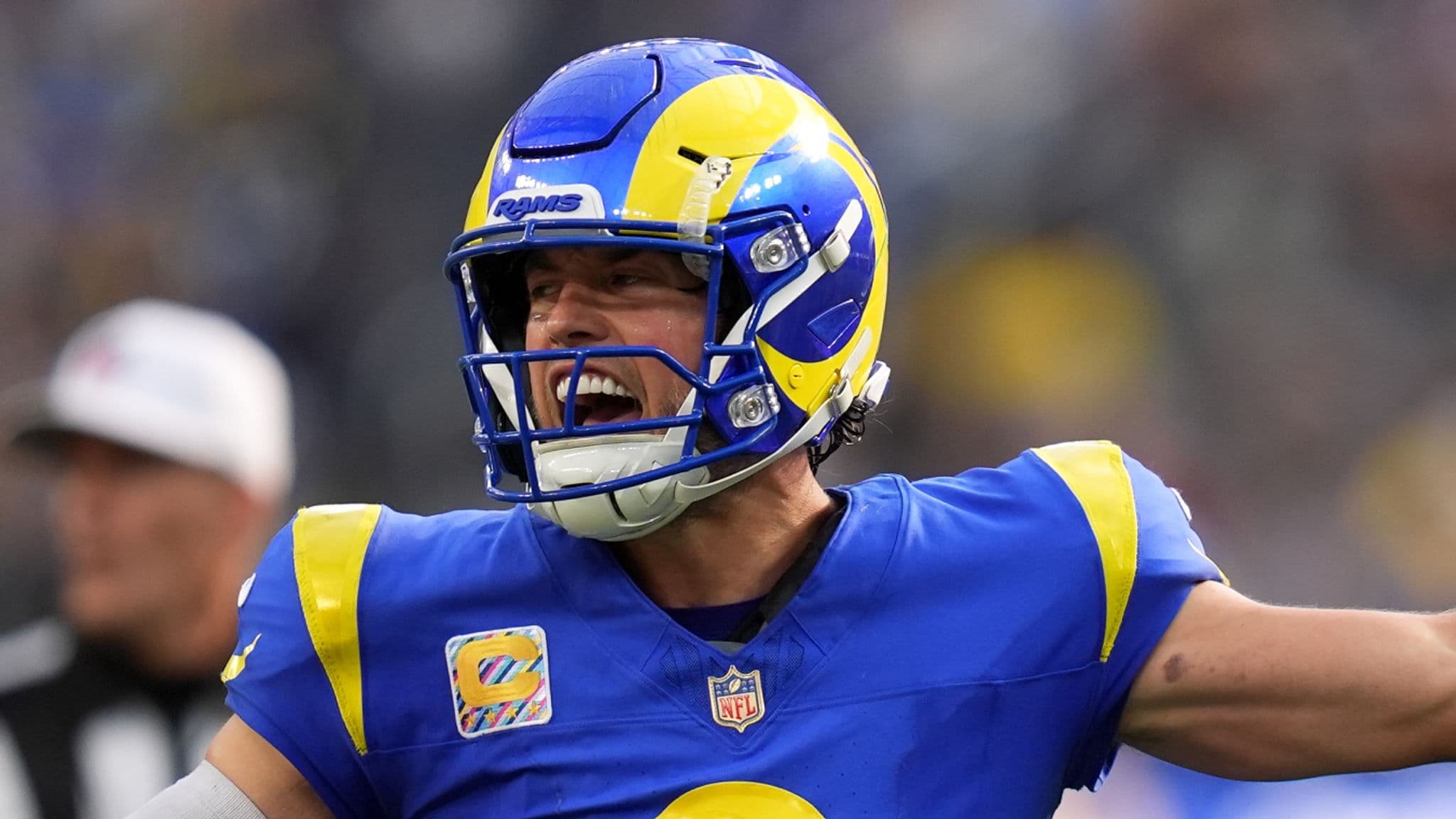
The Los Angeles Rams entered the 2026 season as the NFL's marquee acquisition, assembled to challenge for a championship. After six weeks, their ambitious roster construction has instead produced a 2-4 record and deepening questions about whether star power alone can salvage a season spiralling out of control.
This story was first reported by Sky Sports.
According to Sky Sports, the Rams suffered a shock 18-16 defeat to the Arizona Cardinals on Sunday, a loss that exposed the fragility of their championship ambitions and left them languishing at the bottom of the NFC West.
Head coach Sean McVay took responsibility after the game, acknowledging he needed to perform at a higher level and insisting there were no positives to extract from the performance. Yet the underlying problems run deeper than any single tactical adjustment, with special teams proving a debilitating weakness and injuries mounting at critical positions.
The dream team that never materialised
The Rams made the offseason's boldest move when they acquired Defensive Player of the Year pass rusher Myles Garrett, a blockbuster trade designed to transform their defence. They simultaneously convinced Aaron Donald to emerge from retirement, adding another generational talent to a roster already anchored by MVP-calibre quarterback Matthew Stafford, who had steered the team to the NFC Championship Game the previous season before falling short against the eventual champion Seattle Seahawks.
The construction looked formidable on paper. Yet formidable rosters do not guarantee results, and the Rams have discovered this harsh truth repeatedly throughout their campaign.
Cast your mind back to the summer. It was a dream team. There's no such thing as a dream team in the NFL. I know we've had them over the years and they've never panned out.So observed Sky Sports NFL analyst Neil Reynolds on the latest episode of Inside the Huddle, reflecting on how quickly optimism has curdled into desperation.
Garrett remains sidelined since Week One with injury, robbing the Rams of the pass-rush dominance they acquired him to provide. Meanwhile, the team's vaunted roster has been unable to overcome the cascading failures that have defined their season.
Special teams collapse compounds roster talent
The Rams rank last in special teams EPA through six weeks, a statistical indictment of their inability to execute in the third phase of the game. This weakness haunted them again against Arizona, when injury to newly signed kicker Blake Grupe forced them into a two-point conversion attempt after their opening touchdown—a play they failed to execute.
The sequence that led to Grupe's injury epitomised the chaos engulfing the franchise. The Rams had fired kicker Harrison Mevis after the Buffalo game and brought in Grupe, a former New Orleans Saints kicker, as his replacement. Yet Grupe suffered his injury while attempting to make a tackle on a kickoff return, leaving the Rams without a functioning kicker. Punter Ethan Evans was forced to attempt the extra point, with backup quarterback Stetson Bennett serving as the holder—a makeshift arrangement that underscored how far the operation had deteriorated.
The fact you fire your kicker after the Buffalo game, bring in a new guy, and then he gets hurt because you can't cover a kickoff, right? He's trying to make a tackle on a kickoff, he gets hurt, and now your punter is your kicker,said Sky Sports analyst Jeff Reinebold, capturing the absurdity of the situation.
The Cardinals' defence, which had surrendered 148 points across its previous four games, proved far more resilient than expected. Arizona gained 338 yards to the Rams' 286, holding Los Angeles to just 107 yards in the first half and forcing them into a suffocating offensive struggle. Chad Ryland made all six field-goal attempts, including the 43-yard game-winner as time expired, delivering the Cardinals a stunning upset.
Stafford's performance masked deeper dysfunction
Matthew Stafford threw two touchdown passes without an interception, a respectable statistical line that nonetheless obscured the broader dysfunction afflicting the team. The Rams looked disjointed and out of rhythm, lacking the cohesion expected from a roster assembled at such expense.
They're still very good. And Matthew Stafford throws two touchdowns and no picks and all that, but everything that can go wrong is going wrong. Now you can say that the Rams are way better, their roster's way better than the Cardinals, and that's an argument you can make, but these are pro athletes. These are the best there are in the world. And if you give them a chance and you let them hang around, they're good enough to beat you. And that's what happened to the Rams,Reinebold observed.
The loss to Arizona was not an isolated incident but rather the latest chapter in a season marked by self-inflicted wounds. McVay himself has acknowledged the team's tendency toward self-sabotage, insisting that little will change unless the Rams find a way to stop
beating ourselves.
The Rams' struggles intensified after their Week Four defeat to the San Francisco 49ers in Melbourne, Australia. McVay's decision to fly into Melbourne just a day before that game drew criticism, and he later acknowledged the trip may have disrupted his preparation. The 27-7 loss in front of 100,021 fans at the Melbourne Cricket Ground marked a humbling introduction to the international stage.
McVay's intensity and decision-making under scrutiny
McVay's leadership has come under increasing scrutiny as the season has deteriorated. The coach, known for his intensity and meticulous preparation, has displayed visible frustration in recent weeks. He left a press conference early following the Week Five loss to the Buffalo Bills and has openly expressed regret about his play-calling decisions.
Sean McVay's been quite regretful in recent games that he hasn't been aggressive enough or his play calling hasn't been on point. Every bounce seems to be going against them at the moment, but they just look out of sync. Sean McVay is intense. He is a hundred miles an hour. He openly admitted, he told me this the summer after losing to the Patriots in the Super Bowl that he overprepared because it was Bill Belichick. He ran his team too much mentally going into that game, put too much on their plates. He's got to balance that, hasn't he now? To not hit the panic button and to just try and methodically work your way out of this,Reynolds explained.
The challenge facing McVay is not merely tactical but psychological—finding a way to calm the intensity that has defined his coaching style while maintaining the focus required to salvage a season that has spiralled far from expectations. The roster remains talented, but talent alone cannot overcome the compounding failures in execution, health, and team cohesion.
Injury concerns continue to mount. Rams cornerback Trent McDuffie missed the game with a groin injury after sitting out practice all week, further weakening a secondary already stretched thin. Additionally, wide receiver Davante Adams left the game favoring his left knee after the Rams' penultimate offensive play, though McVay provided no postgame update on the severity of the injury.
What lies ahead for the Rams
The Rams face a critical stretch beginning with a visit to the Las Vegas Raiders on Sunday, October 25, at 4:25 p.m. EDT, followed by a matchup against Justin Herbert's Los Angeles Chargers. These divisional contests will determine whether the season can be salvaged or whether the dream team narrative will become a cautionary tale about the limits of roster construction.
Watch the 2026 NFL season live on Sky Sports, including every minute of the playoffs and Super Bowl LXI on Sunday February 14, 2027. Get Sky Sports or stream contract-free with NOW.